Table of contents
With recreational boating expected to continue to grow in the following years, more and more people are hitting the sea, rivers, and lakes for pleasure every year. Yet, human activities on the water come with a price: the environmental impact of boating is massive, with boaters contributing significantly to water pollution. As governments continue to create awareness to address recreational boating issues, keeping waterways, lakes, and rivers healthy implies adopting a new mindset. This is where sustainable boating comes into play.
What's Green Boating?
Green boating (often referred to as "clean boating" or "sustainable boating") is a lifestyle that implies taking proper care of boats so that they have the least amount of impact possible on the water and the environment. By becoming part of the solution, boaters take responsibility for the consequences of recreational boating on the environment, minimising their impact so that boating and nature can coexist harmoniously now and in future generations.
How the Boating Industry Is Curbing its Carbon Footprint
Scientists are unanimous. Human activities, especially the production and burning of fossil fuels, have increased greenhouse gas emissions to such an extent that the Earth's climate is rising at unseen rates. Extreme climate events, rising sea levels, ocean acidification, soil erosion, and the pollution of surface waters and groundwater all pose a risk to our health.
Boat brands are becoming more aware that climate change threatens much more than the environment alone. Over the last two decades, the industry has been able to reduce its gas emissions and carbon footprint by implementing more sustainable manufacturing processes and developing cleaner products and technologies. Zero emissions propulsion, renewable energy sources, solar or photovoltaic panels, thinner batteries, and the development of an electric infrastructure are just a few examples.
4 Ways To Protect The Waters and Wildlife You Love
Clean boating implies respecting and preserving the waters on which we spend some of our best moments. Keep reading to find out how you can reduce your carbon footprint and help keep the environment healthy and protected:
1. Opt for boats powered by clean energy and equipped with quiet engines
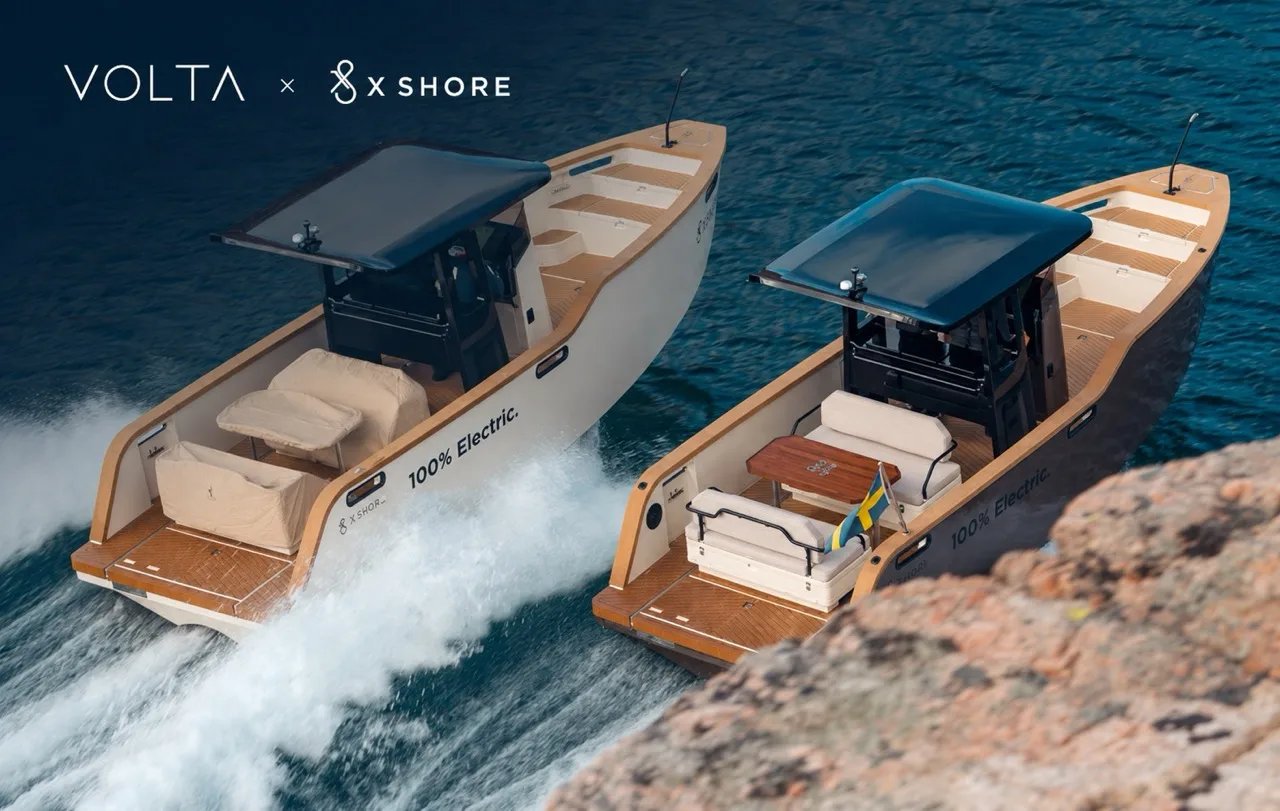
Oil and fuel spills and engine noise affect aquatic life, disrupting their cycles and harming water quality. However, as e-boats only use a small amount of oil and no fuel, boat owners can significantly reduce the impact of their activities.
2. Choose boats made from sustainable materials
By buying a boat with a hull made from plastic bottles, an interior deck, floor, console, and engine box from recycled carbon fibre, boat owners will reduce their carbon footprint.
3. Practice responsible boat cleaning and maintenance
Many products used in boat cleaning and maintenance contain chemicals harmful to aquatic life, water quality, and even human health, threatening species and ecosystems. Choose environmentally safe products wherever possible.
4. Manage your waste properly
As boating without leaving a footprint is barely impossible, make sure you collect and dispose of all the trash you produce so that water is always protected. Do not forget to comply with boat sewage regulations in force.
Conclusion
The electrification of vehicles has arrived. It will not only play an important role in the transformation of the mobility industry, but it will present major opportunities for innovation in all vehicle segments. To ensure a faster adoption of electric mobility in the boating industry, it's essential that brands regularly launch new electric vessels and keep improving the complex electric vehicle infrastructure. While boating sustainability isn't easy and boats aren't still perfect at green boating, living sustainably on the water is becoming a reality. As more brands join the movement, new sustainable lifestyles and practices on the water can have a massive impact on the future of our planet, helping us move forward to zero emissions and transform the present and the future of recreational boating.
Get the electric boat brief
New listings, buyer's guides and range data, about once a month. Unsubscribe anytime.
We only use your email for the Volta brief. Unsubscribe anytime.