Table of contents
The Candela C-8 is making significant strides in electric boating, as evidenced by its recent journey across the Baltic Sea. This article explores the technology, impact, and future potential of electric boats, with a particular focus on the Candela C-8.
The Baltic Crossing: A Notable Achievement in Electric Boating
The Candela C-8's 150-nautical-mile journey from Stockholm to Åland and back in a single day marks an important development for electric boats. Using only 213 kWh of electricity (€40), it demonstrated that electric boating is not only possible but also efficient and practical over long distances. In comparison, the accompanying petrol-powered chase boat consumed €750 worth of fuel, highlighting the financial and environmental advantages of electric vessels.
Hydrofoil Technology: Enhancing Efficiency
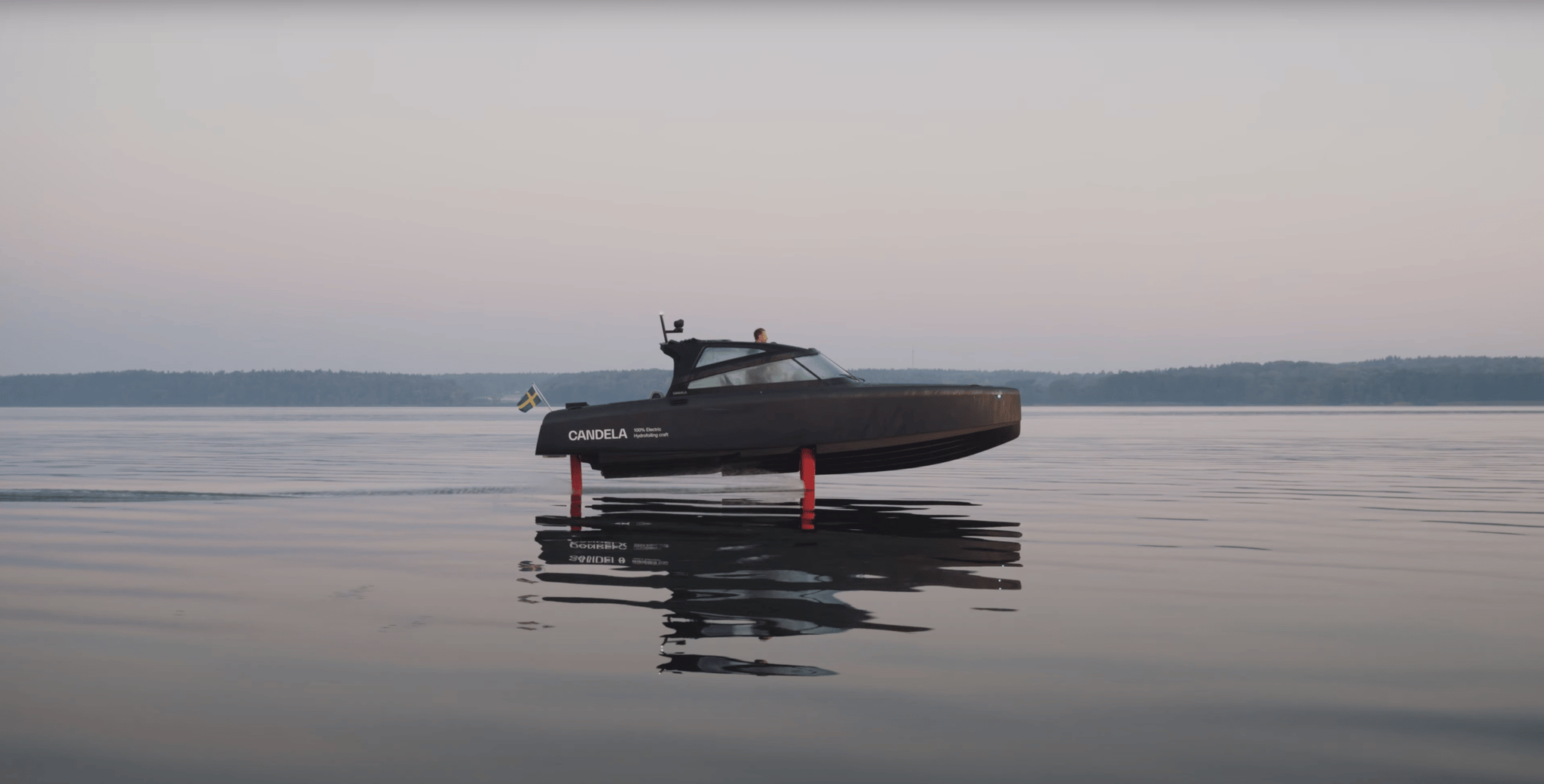
The Candela C-8's hydrofoil design is crucial to its efficiency. Hydrofoils work by creating lift as water flows over their specially shaped surfaces, similar to how aeroplane wings generate lift in air. As the boat gains speed, these underwater 'wings' lift the hull above the water surface, significantly reducing drag. This reduction in drag works through three mechanisms:
- Reduced Water Resistance: By lifting the hull out of the water, the boat encounters much less resistance, allowing it to maintain higher speeds with less power.
- Minimised Wake: The reduced contact with water results in a smaller wake, which further decreases energy loss.
- Stability in Rough Waters: Hydrofoils provide a smoother ride in choppy conditions, as the foils remain submerged and stable even when the water surface is turbulent.
At 22 knots, the C-8 can cover up to 57 nautical miles on a single charge, considerably more than conventional electric boats. This technology is essential in enabling electric boats to undertake longer, cross-sea trips.
Charging Infrastructure: An Expanding Network
While concerns about charging are often raised when discussing electric boats, the Candela C-8's journey demonstrates that existing dockside infrastructure is often sufficient. The boat charges at 40 kW using a 63-amp connection, taking just over an hour to recharge, conveniently fitting the timing of regular breaks during long trips. Many harbours are already equipped with the necessary charging outlets, and the network continues to grow.
Cost Comparison: Electricity vs Fuel
One of the notable benefits of electric boats is their low running cost. The Candela C-8's journey required only 213 kWh, costing approximately €40. In contrast, the petrol boat consumed fuel worth €750. This substantial cost difference underscores the financial viability of electric boating, especially for those who frequently travel long distances.
Environmental Impact and Practicality
Beyond cost savings, electric boats offer another significant advantage: zero emissions during operation. The Candela C-8 provides a clean, quiet, and enjoyable ride without the direct environmental impact of traditional fuel-powered boats. When combined with lower operating costs, electric boats present a compelling alternative for both leisure and commercial use.
The Future of Electric Boating
As battery technology continues to improve, we can expect to see even greater ranges and faster charging times for electric boats. This progress, coupled with the expansion of charging infrastructure in marinas and ports, is likely to make electric boating increasingly accessible and appealing to a wider range of users. Furthermore, the principles demonstrated by the Candela C-8 could have broader applications in the maritime industry: larger vessels, including ferries and cargo ships, might benefit from similar technologies, potentially leading to significant reductions in fuel consumption and emissions in commercial shipping.
Conclusion
The Candela C-8's successful journey across the Baltic Sea exemplifies the potential of electric boats. With innovative hydrofoil technology, expanding charging infrastructure, and clear financial benefits, electric boating is becoming an increasingly practical and sustainable option for water transport. Whether for long-distance travel or short recreational trips, electric boats like the Candela C-8 represent a future where boating is more economical, environmentally friendly, and equally enjoyable.
Get the electric boat brief
New listings, buyer's guides and range data, about once a month. Unsubscribe anytime.
We only use your email for the Volta brief. Unsubscribe anytime.