Inhaltsverzeichnis
Elektroboote haben auf unseren Gewässern Wellen geschlagen, dank ihrer ökologischen Vorteile und der beinahe lautlosen Fahrt. Mit zunehmender Verbreitung dieser nachhaltigen Technologie zeigt sich: Wie jedes hochentwickelte System bringt auch der Elektroantrieb spezifische Herausforderungen mit sich. Im Folgenden beleuchten wir die häufigsten Probleme und liefern fundierte Lösungen für entspannte Fahrten.
Worauf es von Anfang an ankommt
Auf den ersten Blick wirken Elektroboote einfacher als Verbrennerboote, weniger bewegliche Teile, potenziell weniger Defekte. Geht doch einmal etwas schief, liegt es meist an drei zentralen Elementen: Batterie, Ladesystem oder Elektromotor.
Um die Lebensdauer dies Bootes zu maximieren, halten sich an diese bewährten Regeln:
- Wartungschecks alle 50 Betriebsstunden einplanen.
- Batterien bei 50 % bis 70 % Ladestand lagern.
- Eine Solarmodul-Installation erwägen; allein diese Maßnahmen können die Lebensdauer dies Systems um bis zu 40 % verlängern.
So funktionieren Elektroantriebssysteme
Zuverlässigkeit und Leistung eines Elektrobootess hängen vom reibungslosen Zusammenspiel dreier Hauptsysteme ab: Energiespeicher (Batterien), Energieumwandlung und -verteilung (Steuerungen und Verkabelung) und Antrieb (Motoren). Wer ihr Zusammenspiel versteht, kann Probleme schnell diagnostizieren und Ausfallzeiten minimieren.
Die Hauptkomponenten eines Elektrobootess
Batterien
- Lithium-Ionen (LiFePO4): Energiedichte 150-200 Wh/kg, leicht und mit bis zu 5.000 Ladezyklen. Perfekt für tägliche Nutzung und Langstrecken.
- AGM-Blei-Säure: Kostengünstig, wartungsarm, robust und für gelegentliche Ausfahrten oder Freizeitboote mit moderater Nutzung geeignet (500-800 Zyklen).
- Gel: Widerstandsfähig gegen Vibrationen und Tiefentladungen, ideal für anspruchsvolle maritime Bedingungen (1.000-1.500 Zyklen).
Motoren
- Elektro-Außenborder: Zwischen 1 und 300 PS, am Spiegel montiert für schnellen Tausch und einfachere Wartung.
- Elektro-Innenborder: 50 bis 500 PS, im Rumpf untergebracht für leiseren Betrieb und bessere Gewichtsverteilung.
Ladesysteme
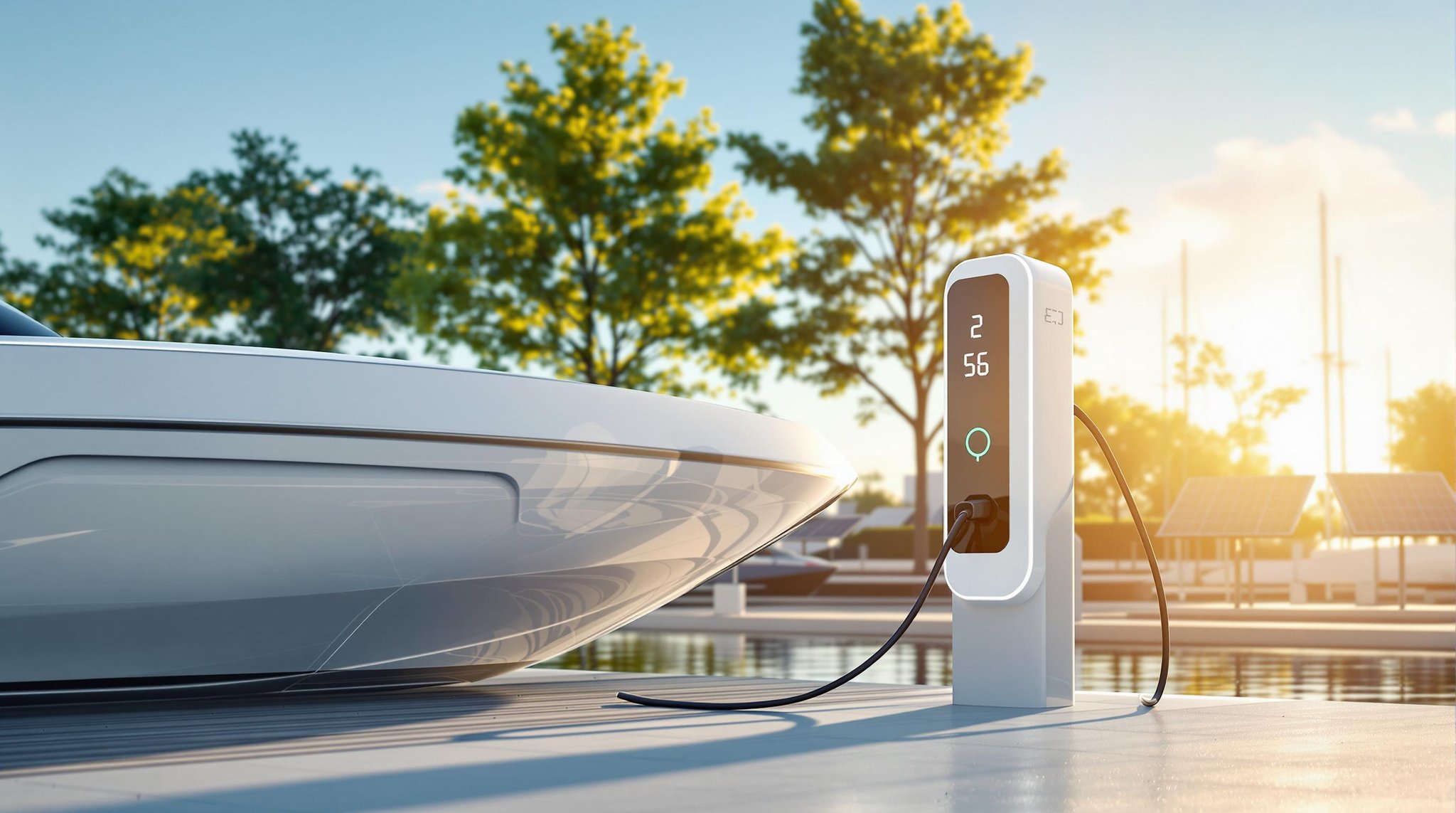
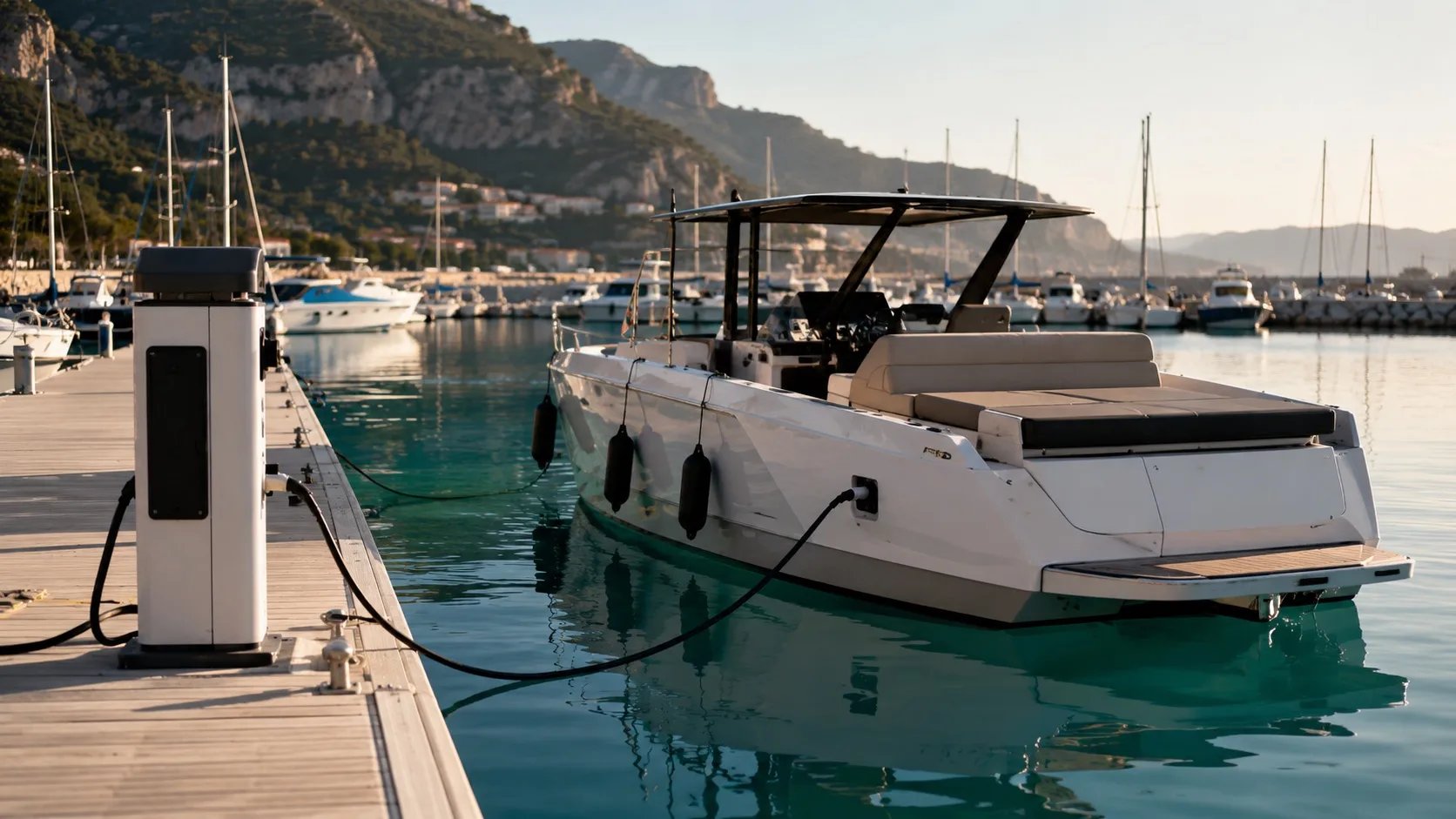
Bordladegeräte und Spannungsregler sorgen für sicheres Laden, verhindern Überladung und erhalten die Batteriegesundheit. Leistungsstarke DC-Lader, bis zu 200 kW, können in unter 30 Minuten 70 % Kapazität wiederherstellen, während das Laden am Steg (6-12 kW) ein bequemes Aufladen über Nacht ohne Betriebsunterbrechung erlaubt.
Integrierte Sicherheitsfunktionen
Moderne Elektroboote verfügen über ausgeklügelte Schutzfunktionen, die Ausfälle und Schäden verhindern:
- Überhitzungsschutz: Thermostate trennen die Stromversorgung, sobald die Temperatur 85-90 °C übersteigt.
- Überstromabschaltung: Sicherungen oder Leistungsschalter, eingestellt auf 110-120 % des Nennstroms, lösen bei unerwarteten Spitzen aus.
- Unterspannungsschutz: Frühzeitige Abschaltung bei 10,5 V (12-V-Systeme) oder 21 V (24-V-Systeme) verhindert Tiefentladung und Batterieschäden.
- Isolationsfehlererkennung: Hochspannungs-Leckage-Sensoren beugen gefährlichen Schlägen und Kurzschlüssen vor.
- Motordrehzahlbegrenzer: Drehzahlregler verhindern mechanische Überlastung durch Limitierung der Umdrehungen.
Häufige Probleme und ihre Lösungen
Batterieverschleiß und -probleme
Der Batterieverschleiß zählt zu den größten Herausforderungen für Eigner von Elektrobooten. Ursachen sind in der Regel Tiefentladung, Überladung oder mangelnde Pflege.
- AGM-Blei-Säure: Elektrolyt monatlich prüfen (Dichte 1,265-1,280), Pole mit Natron reinigen, alle drei Monate eine Ausgleichsladung durchführen (15,5 V für 2-4 Stunden).
- Lithium-Ionen: Zellspannung überwachen (3,0-3,6 V), Ladetemperatur unter 45 °C halten, im Winter bei 50-60 % Ladestand lagern, alle 90 Tage kontrollieren.
Fehler im Ladesystem, Tabelle zur Spannungsprüfung
| Szenario | Blei-Säure | Lithium-Ionen |
|---|---|---|
| Ruhend (8 h, ohne Last) | ≥12,6 V | ≥13,2 V |
| Unter Last | ≤0,5 V Abfall | ≤0,5 V Abfall |
| Motor läuft | 13,8-14,4 V | 13,8-14,4 V |
Motorfehler
Überhitzung und Leistungsabfall entstehen meist durch Blockaden, Fehljustierung oder Verschleiß. Vorbeugende Pflege umfasst: wöchentliche Sichtkontrollen auf Schäden oder Korrosion, Ausrichtungsprüfungen alle 200 Stunden oder jährlich sowie jährliche Isolationstests mit einem Megohmmeter (>1 MΩ).
Tabelle zur elektrischen Diagnose
| Test | Blei-Säure | Lithium-Ionen |
|---|---|---|
| Ruhespannung | ≥12,6 V | ≥13,2 V |
| Maximaler Spannungsabfall (unter Last) | ≤10 % | ≤10 % |
| Hauptkabelwiderstand | <0,1 Ω | <0,1 Ω |
| Erdungswiderstand | <0,05 Ω | <0,05 Ω |
Wartungstipps für Elektroboote
Reinigung der Batteriepole
- Batterie abklemmen (Minuspol zuerst).
- Natron und Wasser im Verhältnis 1:10 mischen und mit einer weichen Bürste auftragen.
- Mit klarem Wasser gründlich spülen, vollständig trocknen und Polschutzfett auftragen.
- Wieder anschließen (Pluspol zuerst) und Pole nach Herstellervorgabe anziehen.
Lagerung in der Nebensaison
- Blei-Säure: Vollständig laden (12,6 V+), abklemmen, alle 30 Tage nachladen.
- Lithium: Bei 50-60 % Ladestand lagern, BMS nach Möglichkeit trennen, alle 90 Tage kontrollieren.
- Motoren gründlich mit Süßwasser abspülen, um Salz zu entfernen; mit Korrosionsschutzspray behandeln. Welle alle 30 Tage drehen, um Festsitzen zu verhindern.
Upgrades für mehr Zuverlässigkeit, empfohlene Solarmodul-Konfigurationen
| Systemgröße | Empfohlene Leistung | Empfohlener Regler |
|---|---|---|
| Klein (bis 30 ft) | 200-400 W | PWM |
| Mittel (30-45 ft) | 600-1.000 W | MPPT |
| Groß (45+ ft) | 1.500 W+ | Mehrere MPPTs |
Weitere sinnvolle Upgrades: Umstieg auf Lithium-Batterien (verdreifacht die Energiedichte gegenüber Blei-Säure), Einbau fortschrittlicher Überwachungssysteme wie der Victron BMV-712-Serie und Investition in ein integriertes BMS für automatischen Schutz. Diese Upgrades vereinfachen die Wartung und steigern die Gesamteffizienz um 20-30 %.
Fazit
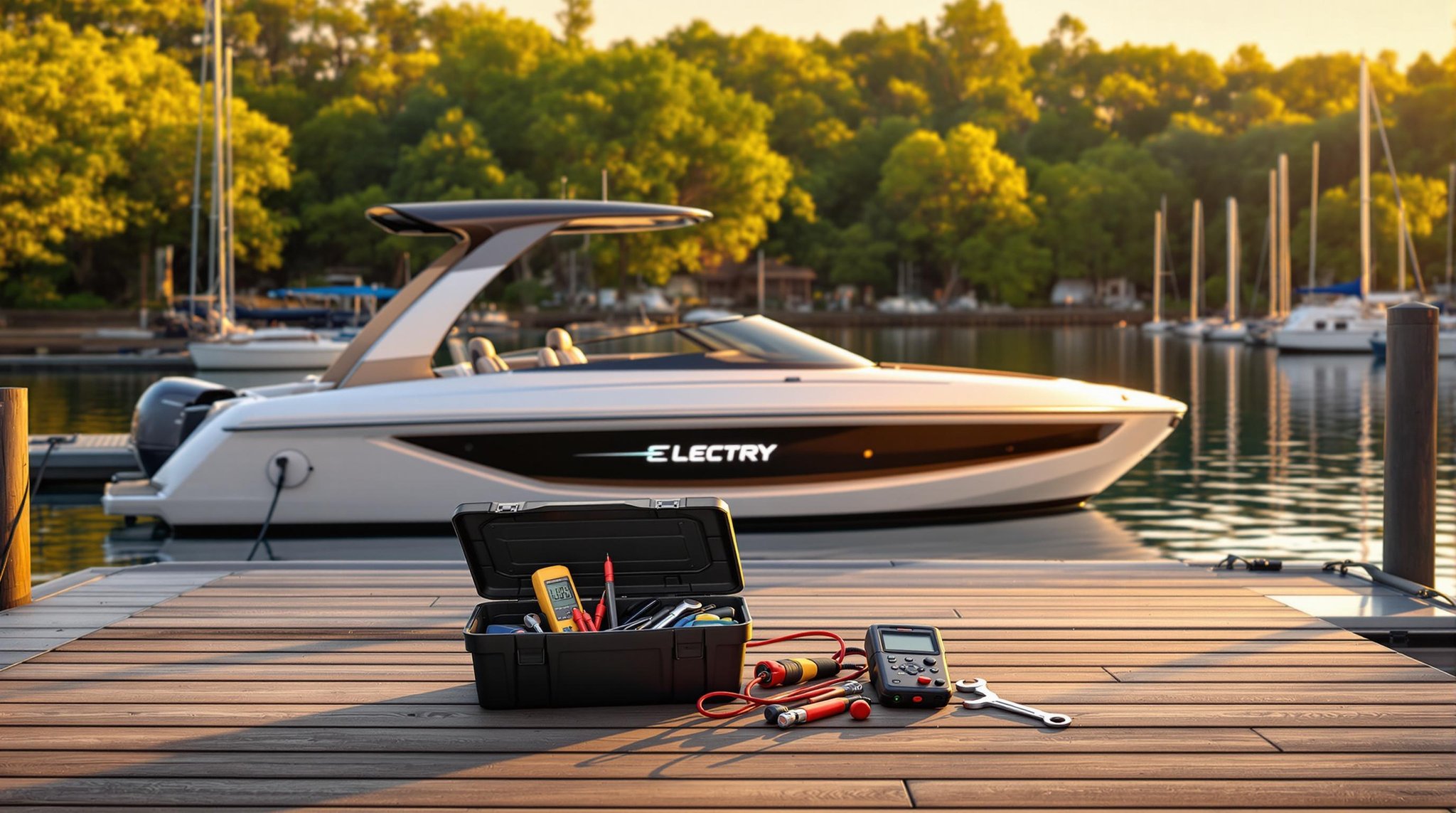
Konsequente Wartung ist die beste Garantie dafür, dass Ihr Elektroboot über Jahre leistungsfähig und zuverlässig bleibt. Investieren zwei bis drei Stunden pro Monat in gründliche Kontrollen, und ersparen sich womöglich Wochen an Ausfallzeit und Reparaturkosten in Tausenderhöhe. Bei komplexen elektrischen Anlagen oder anspruchsvollen Innenbordmotoren zögern nicht, zertifizierte Bootselektriker hinzuzuziehen.
Hol dir das Elektroboot-Briefing
Neue Inserate, Käuferguides und Reichweitendaten, etwa einmal im Monat. Sie können sich jederzeit abmelden.
Wir nutzen Ihre E-Mail-Adresse nur für das Volta-Briefing. Sie können sich jederzeit abmelden.